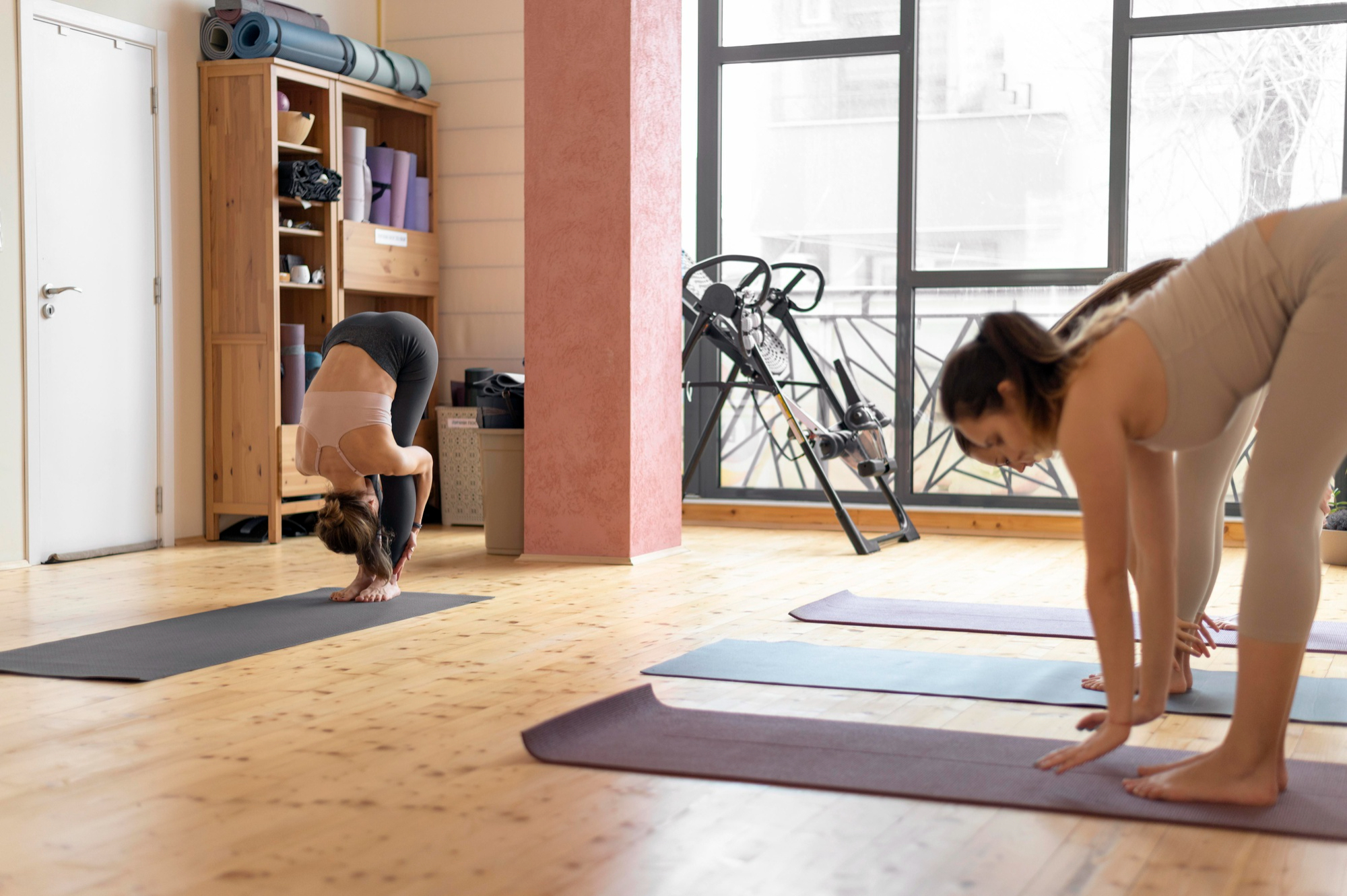
If you’re a personal trainer, yoga instructor, Pilates coach, or wellness professional, you already know this truth: your space matters.
Shared gyms are crowded. Rental studios are expensive. And traveling to clients eats up time you could be training (or resting 😴).
That’s why more fitness professionals are exploring a smarter option — using a tiny home as a private, professional training studio located right on their own property.
At Tiny Homes Bay St. Louis, we’re seeing growing interest from trainers who want more control over their schedule, environment, and income — without committing to a long-term commercial lease.
Why Trainers Are Choosing Tiny Home Studios
A tiny home offers something traditional gym setups often can’t: ownership and flexibility.
Instead of paying monthly rent or splitting revenue with a gym, a tiny home studio allows trainers to:
- Host one-on-one or small-group sessions
- Control scheduling, pricing, and programming
- Create a branded, distraction-free experience
- Separate work from home life (huge win 🙌)
It’s a professional environment that feels intentional — not improvised.
🧘 What Kind of Training Works Best in a Tiny Home?
Tiny home studios are ideal for focused, personalized services, including:
- Personal training and strength coaching
- Yoga, Pilates, and mobility work
- Post-injury or recovery-focused sessions
- Stretch therapy and corrective exercise
- Wellness coaching and movement education
Many trainers design spaces that balance open floor area with smart storage, mirrors, and calming finishes — creating a studio that feels welcoming, not cramped.
💡 The Business Advantage (This Is the Big One)
For trainers running their own practice, a tiny home studio can:
- Reduce monthly overhead 📉
- Eliminate commute time between clients ⏱️
- Increase consistency and client retention
- Support premium, private-session pricing
- Offer long-term value beyond monthly rent
Some professionals even use their space for dual purposes — training sessions by day, recovery or personal workouts by night. Efficient, flexible, and fully yours.
🔌 Practical Studio Considerations
When planning a tiny home fitness studio, trainers typically look at:
- Electrical capacity for cardio or specialty equipment ⚡
- Flooring that supports impact and easy cleaning
- Ventilation and climate control for comfort year-round
- Wall space for mirrors, bands, storage, or mounted equipment
These elements are much easier to visualize by walking through a model in person.
📍 See It in Person in Bay St. Louis
If you’re a fitness professional considering a dedicated studio space, the best next step is seeing what’s possible in real life.
Tiny Homes Bay St. Louis has models available for viewing at our Bay St. Louis, Mississippi location, where you can explore layouts, spacing, and design ideas that work for fitness and wellness use.
To schedule a visit or ask questions, contact:
Gerard Bourgeois
📞 504.421.2440
📧 factorydirecttinyhomes@gmail.com
Whether you train clients, teach movement, or guide recovery, a tiny home studio may be the missing piece between working harder and working smarter 🏡.